Improvisation
Spontaneity in Improv: How Reacting in the Moment Opens Creative Doors
Lead mentor Helen Duval
May 14, 2026
Why Spontaneity Feels Hard—And How to Make It Easier
Spontaneity is not a talent you’re born with. It’s a muscle you train every time you enter an improv scene. Many beginners ask, “What if I freeze?” My answer is simple: freezing is a sign you’re right at the edge of learning. The best way through is to act anyway. Improv provides space to react, stumble, and recover without judgment. Every time you say yes to a new idea, you stretch your ability to adapt. Over time, quick thinking becomes easier—and more fun. The group supports you, and you discover that the unknown is where surprises happen. There is no perfect moment to jump in, only the moment you choose.
Exercise: Rapid Fire for Quick Thinking
The first improv game I use to build spontaneity is called 'Rapid Fire'. Players stand in a circle and respond to prompts without pausing to think. The goal is not cleverness, but speed. Mistakes are expected, even encouraged. This exercise breaks the habit of overthinking and replaces it with action. Soon, you’ll notice your responses become faster and more playful. The group’s laughter turns hesitation into enthusiasm.
Creating a Safe Space for Spontaneous Play
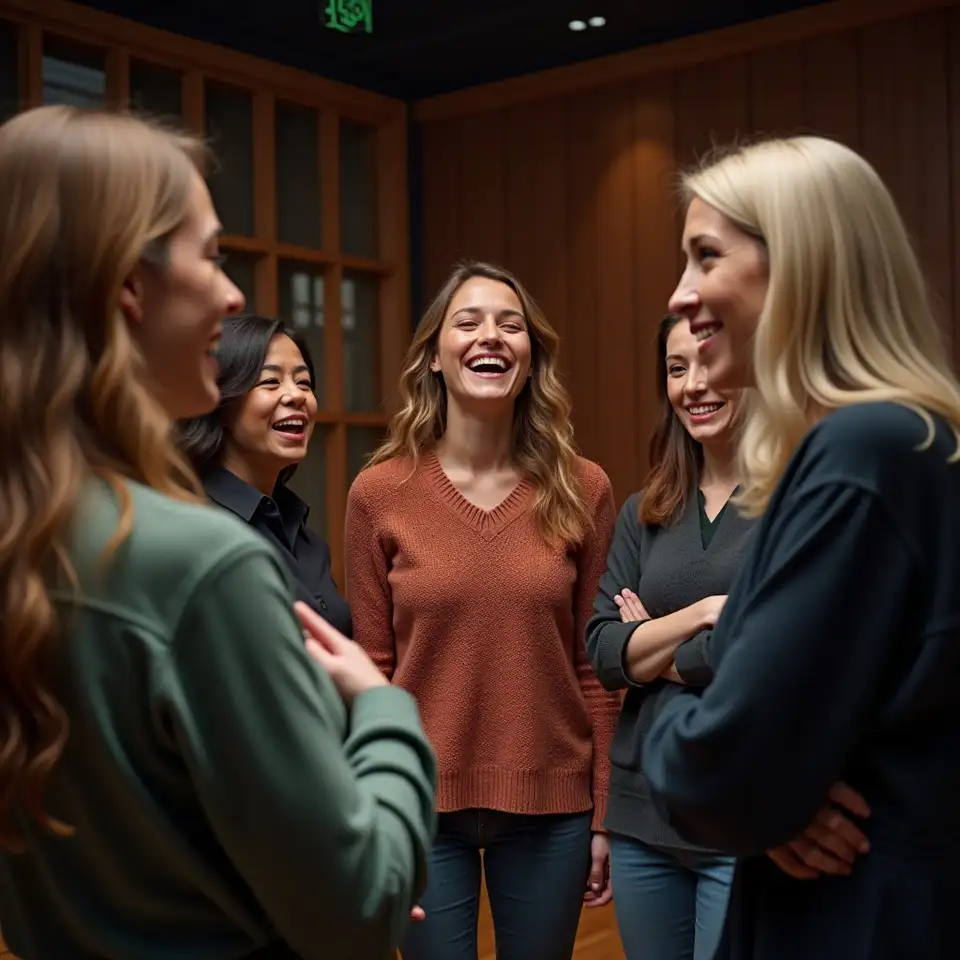
Spontaneity flourishes when the environment feels safe. If you know you won’t be judged, you’re more willing to take risks. I always establish a clear rule: support every offer, no matter how small. This mindset shift makes a difference. The group’s energy lifts you, and you become more generous with your own ideas. Over time, reacting in the moment becomes second nature, both on stage and in everyday situations.
Embracing Mistakes and Finding Surprise
Letting go of control can be uncomfortable. You might worry that acting without a plan will lead to mistakes or embarrassment. But the truth is, the best improv moments are the ones nobody saw coming. When you stop trying to script every move, you leave space for real discovery. Even mistakes become fuel for creativity, not something to hide. The group’s laughter and support turn what could have been awkward into something memorable. Every time you react honestly, you become more agile and open to surprise.
Game in Focus: One Word Story
One helpful exercise is 'One Word Story.' Players go around the circle, each adding a single word to build a story. There’s no time to craft a perfect plot, so you must respond to what’s given. The resulting stories are often nonsense—but they’re also inventive and alive. This game teaches you to trust your impulse and let go of needing to control the outcome. Each word is a small leap, and together they add up to creative breakthroughs.
Physical Spontaneity: Statues and Movement
If you feel stuck, change your body first. Movement unlocks new ideas. Try the 'Statue' exercise: someone strikes a pose, and the next person immediately builds on it, no questions asked. This physical spontaneity bypasses the critical mind and invites pure play. As you repeat these activities, responding without a plan becomes easier—not just on stage, but whenever you need to adapt quickly.